
Map your health and routine
Discuss goals, prior attempts, health conditions, medications, eating patterns, activity, sleep, stress, and other concerns that affect your plan.
Medical weight management · Austin, Texas
Medical weight management starts with a clinical review of your health history, medications, daily routine, and the barriers you want to address.
Non-surgical care with nutrition, lifestyle, and prescription discussions

A complete view
Excess weight has medical, practical, and personal factors worth discussing together.
At Blue Tree Health, a provider reviews your health history, current medications, food and activity patterns, and previous approaches. From there, your plan may include nutrition structure, lifestyle support, body-composition context, or a prescription medication conversation.
Your care pathway
The first conversation identifies the factors affecting your weight-management goals; follow-up is used to review what is working and what needs attention.
Discuss goals, prior attempts, health conditions, medications, eating patterns, activity, sleep, stress, and other concerns that affect your plan.
Your provider considers your health information and may discuss body-composition information when it would help answer your questions.
Build a plan around nutrition, movement, lifestyle changes, body-composition tracking, or prescription-based support when appropriate.
Use follow-up visits to discuss progress, plateaus, changes in routine, medication questions, and maintenance planning.
Areas your plan can address
Medical weight management can combine clinical evaluation with practical discussions about food, movement, sleep, stress, and medications. The mix depends on your history and goals.
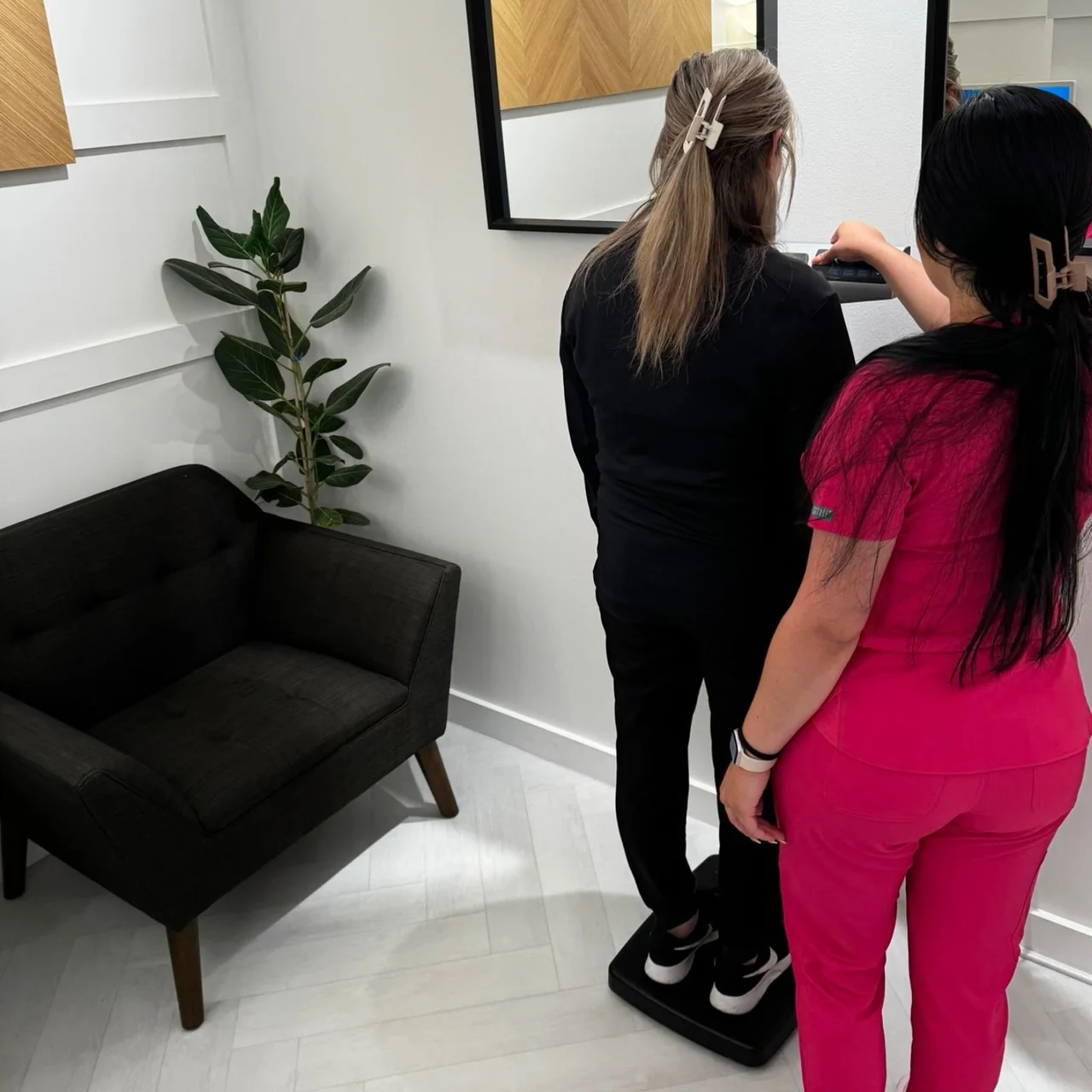
Your Blue Tree Health program
Not every program uses every tool. Your provider recommends the components that match the concerns identified in your consultation.
Start with relevant medical history, current medications, and previous weight-management care.
Identify food patterns, movement, sleep, and daily habits that are realistic to work on.
Discuss body-composition information or prescription medication options when they are relevant to your care.
Set the next clinical touchpoint to review response, barriers, plateaus, and maintenance needs.
Questions, answered
Medical weight loss is clinician-guided weight management that may include a health and medication review, nutrition and lifestyle planning, body-composition context, and prescription medication discussions when appropriate.
The first visit covers your health history, current medications, previous weight-management efforts, routine, and goals. Your provider then explains the options that may be relevant.
No. Medication is one tool a provider may discuss after reviewing your health history, current medications, goals, and other parts of your plan.
The program begins with clinical and lifestyle factors specific to you, then uses follow-up to work through barriers, plateaus, and maintenance instead of relying on a one-size-fits-all diet.
Bring plateaus, schedule changes, and new priorities to follow-up. Your provider can review what has changed and identify the next adjustment to discuss.
Blue Tree Health focuses on non-surgical medical weight management and wellness support.
Real results from patients. Individual results vary.
Schedule a consultation
Book a consultation to review your health history, current medications, goals, and questions. Your provider can explain the appropriate next steps and whether a program may fit.